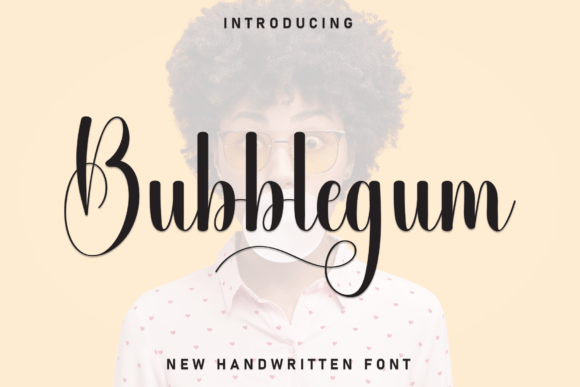
Bubblegum: A Creative Script Font for Handmade Brands
The morning light hits the desk just right as I open my design software, ready to finalize the labels for a new batch of lavender and vanilla soy candles. The scent is already filling the room, but the visual identity needs to match that same warmth and artisanal feel. I scroll through my library of Fonts, looking for something that bridges the gap between modern elegance and the organic touch of hand-drawn calligraphy. That is when I pull up Bubblegum from Script Amp. As soon as I type "Hand Poured with Love," the screen transforms. The flowing strokes and graceful curves of this script font instantly elevate the simple text into a piece of art that feels personal, inviting, and perfectly suited for a boutique product.
Using Bubblegum feels less like selecting a digital file and more like picking up a fine-tip brush. Its visual personality is defined by expressive letterforms that capture the beauty of genuine handwriting without sacrificing readability. For makers and small shop owners, this distinction is crucial. When a customer picks up a product or opens a package, the typography speaks before they even read the words. Bubblegum exudes creativity, making it an ideal choice for brands that want to convey a sense of care, whimsy, and high-quality craftsmanship. It is not just a typeface; it is a tool for storytelling.
Bringing Products to Life with Expressive Typography
In the world of handmade goods, presentation is everything. I recently tested Bubblegum on a series of printable wall art designs intended for a nursery collection. The font's bouncy yet elegant nature added a playful charm that rigid serif or sans serif fonts simply could not achieve. Whether designing for packaging design, greeting cards, or wedding invitations, the mood of the font sets the stage for the entire product experience.
Consider the versatility required for a seasonal shop update. During the holidays, I used this creative font to design gift tags and boutique packaging stickers. The swashes and ligatures inherent in the design allowed me to create unique combinations for names like "Sarah" or "Enjoy," ensuring that no two tags looked exactly alike. This level of customization is vital for brand identity. When customers see consistent, beautiful typography across their candle labels, tote bags, and thank-you cards, it builds recognition and trust. It signals that the seller pays attention to details, which often translates to a perception of higher product quality.
For those creating digital downloads, such as planner pages or SVG files for cutting machines, Bubblegum offers excellent potential. However, working with script fonts on physical merchandise like mugs, shirts, or vinyl decals requires a keen eye for spacing. Because the letters connect with flowing strokes, it is essential to preview the design at actual size. I always recommend printing a test sheet or running a small weedable decal before committing to a large production run. This ensures that the delicate curves remain crisp and that the text remains legible, even on smaller items like jewelry tags or sticker sheets.
Strategic Pairing and Readability Tips
While Bubblegum shines as a display font for titles, names, and short phrases, it is important to understand its limits regarding longer blocks of text. Script fonts are best reserved for headlines, logos, and decorative wording where they can breathe and showcase their character. For ingredient lists on soap labels or detailed descriptions on wedding welcome boards, pairing Bubblegum with a clean sans serif font or a simple serif font creates a balanced and professional look. This contrast helps guide the reader's eye, allowing the script to act as the emotional hook while the secondary font delivers the necessary information clearly.
When integrating this modern typography into logo design or social media graphics, consider the white space around the text. The expressive nature of the letterforms means they need room to flourish. Crowding the text can diminish its impact. I often use Bubblegum for the main brand name on a shop banner, then switch to a lightweight sans serif for the tagline. This combination works beautifully for editorial design in lookbooks or for creating cohesive listing images on marketplaces like Etsy.
Maximizing Value for Commercial Creators
For commercial craft sellers and printable creators, the technical aspects of a font file are just as important as its aesthetic appeal. Before launching a new line of products featuring Bubblegum, it is wise to explore the full range of included styles. Many premium script fonts come with alternates, swashes, and multilingual support that can drastically expand your design options. Checking these features allows you to avoid repetitive-looking designs and keeps your design assets fresh and engaging.
Licensing is another critical factor. When selling physical products like printed t-shirts, embroidered hats, or packaged goods, ensure your license covers commercial use for tangible items. If you are creating digital templates or SVG-style designs for others to use, verify that the license permits this specific type of distribution. Script Amp typically provides clear guidelines, but reading the fine print protects your business and ensures you are respecting the creator's work. A proper commercial license gives you the peace of mind to scale your operations, knowing your brand consistency is built on a solid legal foundation.
Ultimately, the goal of any maker is to create an emotional connection with their audience. Bubblegum facilitates this by adding a human touch to digital designs. Whether it is a heartfelt message on a birthday card, a chic label on a small-batch jam jar, or a stylish sign for a farmhouse wedding, this font brings a sense of joy and authenticity. By thoughtfully applying this handwritten font to your products, you transform simple materials into memorable experiences. It invites customers to slow down, appreciate the artistry, and feel the care that went into every item. In a crowded marketplace, that emotional resonance is what turns a casual browser into a loyal customer.