Wine Cellar: The Perfect Script Font for Handmade Brands
As a creator who spends hours cutting vinyl, designing printable invitations, and packaging handmade goods, I know that the right typeface can make or break a product. It is the difference between a label that looks homemade in the wrong way and one that screams boutique quality. Recently, I have been exploring Wine Cellar, a stylish script font from Script Amp that has quickly become a staple in my design toolkit. This premium font exudes artistic flair and contemporary elegance, making it an ideal choice for sellers who need their physical products to stand out on crowded shelves or digital marketplaces.
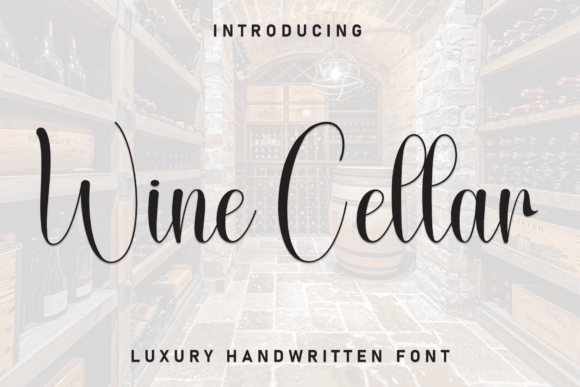
What sets Wine Cellar apart is its visual personality. It features fluid brush strokes and dynamic curves that capture the essence of hand-painted lettering without sacrificing readability. Unlike some overly decorative scripts that become illegible at smaller sizes, this script font maintains clarity while offering expressive letterforms. For those of us creating product labels, stickers, or signage, this balance is crucial. You want your customer to feel the warmth of a handwritten note while still being able to instantly read your brand name or product title.
Elevating Product Packaging and Labels
One of the most practical applications for Wine Cellar is in packaging design. Whether you are pouring soy candles, bottling small-batch hot sauce, or sewing tote bags, the label is your first point of contact with the buyer. Using Wine Cellar for your primary logo or product name adds a layer of sophistication. I recently used it for a line of lavender candle labels, pairing the sweeping ascenders and descenders with a clean, minimal background. The result was a look that felt both organic and high-end.
For product label makers, readability is key. While Wine Cellar shines as a display font for titles and short phrases, it is important to use it strategically. It works best for names, headlines, and decorative wording rather than long blocks of instructional text. A great approach is to use Wine Cellar for the brand name and pair it with a simple sans serif font for the ingredients list or care instructions. This contrast ensures that the emotional appeal of the script draws the eye, while the functional information remains easy to digest.
Ideas for Stationery and Wedding Designs
If you run a shop specializing in wedding stationery or event invitations, Wine Cellar is a goldmine. Its contemporary elegance fits perfectly with modern rustic, boho, and minimalist wedding themes. Imagine using this handwritten font for the couple's names on a wedding welcome board or as the focal point of a save-the-date card. The fluid strokes mimic the look of calligraphy but offer the consistency and ease of a digital file.
Beyond invitations, consider using Wine Cellar for:
- Place cards and menu cards: The expressive letterforms add a personal touch to table settings.
- Cake toppers: When cut from acrylic or cardstock using a Cricut or Silhouette, the connected letters create a stunning 3D effect.
- Gift tags: Pre-printed tags with this font can elevate the unboxing experience for your customers.
- Seating charts: Large format prints benefit from the dynamic curves, making them a statement piece at the reception.
Maximizing Readability for Cutting Machines
For crafters using die-cutting machines, not all script fonts are created equal. Some have breaks in the strokes that require tedious weeding or bridging. Wine Cellar is designed with smooth connections that generally translate well to vinyl cutting. However, when working on very small items like stickers or jewelry tags, always test a cut first. Adjust the size to ensure the thin parts of the brush strokes do not tear during the weeding process. For printed materials, such as digital printables or planner pages, the resolution holds up beautifully, providing crisp edges even when printed at home.
When creating SVG-style designs for t-shirts or mugs, the weight of the font matters. Wine Cellar has enough body to be visible on fabric, but it is delicate enough to avoid looking clunky. It works particularly well for single-word designs or short inspirational quotes. Avoid using it for paragraphs of text on apparel, as the intricate details may get lost in the texture of the fabric.
Strategic Font Pairing for Brand Identity
To build a cohesive brand identity, knowing how to pair Wine Cellar is essential. Because it is so expressive, it needs a partner that grounds it. Here are a few combinations that work well for commercial projects:
- Wine Cellar + Geometric Sans Serif: This creates a modern, clean look perfect for tech accessories or minimalist home decor.
- Wine Cellar + Classic Serif Font: Pairing it with a traditional serif adds a touch of vintage charm, ideal for bakery boxes or apothecary labels.
- Wine Cellar + Bold Display Font: Use a heavy sans serif for impact headlines and Wine Cellar for accent words to create hierarchy in social media graphics or sale signs.
These pairings help establish brand consistency across different platforms, from your Etsy shop banner to your physical product packaging. Customers begin to recognize your style, which builds trust and encourages repeat business.
Licensing and Commercial Use
Before integrating Wine Cellar into your product line, always review the specific licensing terms provided by Script Amp. As a small shop owner, understanding the difference between personal and commercial font licenses is vital. Typically, a commercial license allows you to use the font in logos, physical products for sale, and client work. However, if you plan to sell the font file itself or create editable templates where the end-user can modify the text, you may need an extended license. Ensuring you are compliant protects your business and respects the type designer's work.
Additionally, check the file formats included in your download. Most professional packages include OTF and TTF files, which are compatible with major design software like Adobe Illustrator, Photoshop, and Procreate. Some may also include webfont files if you plan to use the typeface for web design or online storefronts. Look for features like alternates, ligatures, and swashes. These extras allow you to customize the look of specific letters, ensuring that no two words look exactly the same and adding a unique fingerprint to your logo design and marketing materials.
Incorporating Wine Cellar into your creative workflow offers more than just aesthetic beauty; it provides a tool for communication. It tells your customer that care went into the design, mirroring the care you put into crafting the product itself. Whether you are designing a farmhouse sign, a set of holiday gift tags, or a new line of boutique clothing, this modern typography asset helps bridge the gap between handmade charm and professional polish. By choosing a font that balances artistic expression with practical utility, you invest in the perceived quality of your entire brand.